Reach Us: +2348105460778 or +2348121073763
What Is GSM in Printing? A Simple Guide to Paper Thickness

Have you ever gone to a printing company and been asked:
“What GSM do you want?”
If you are not familiar with printing terminology, that question can be confusing.
You may know that you need flyers, business cards, brochures, invitations, posters or other printed materials, but you may not know whether you should choose 100 GSM, 150 GSM, 200 GSM, 250 GSM, 300 GSM or something else.
That is where GSM comes in.
GSM is one of the most common measurements used to describe paper weight in printing. Understanding it can help you choose paper that matches the purpose, appearance and feel you want for your printed materials.
In this guide, we will explain what GSM means, how it relates to paper thickness, the difference between common GSM levels, and what GSM may be suitable for different printing projects.

What Does GSM Mean in Printing?
GSM means “grams per square metre.”
It is a measurement of the weight of paper based on an area of one square metre.
For example, 100 GSM paper weighs 100 grams per square metre, while 300 GSM paper weighs 300 grams per square metre.
Generally, as GSM increases, paper becomes heavier and often feels thicker and more substantial.
However, there is an important point to understand:
GSM measures paper weight, not thickness alone.
Two papers with the same GSM can sometimes have different physical thicknesses because paper composition, density and manufacturing can vary.
So while GSM is a useful guide, it should not be treated as a perfect measurement of physical thickness.
Why Is GSM Important in Printing?
The paper you choose can affect how your finished printed material looks and feels.
Paper selection can influence:
- The perceived quality of the finished product
- How rigid or flexible the material feels
- How easily it folds
- How suitable it is for writing
- How durable it feels
- How images and colours appear
- The overall impression your printed material creates
For example, the paper suitable for an everyday office document may not be the same paper you would choose for a premium business card.
Similarly, a restaurant menu may require a different paper specification from a promotional flyer.
This is why choosing paper should be part of your printing decision rather than an afterthought.
GSM vs Paper Thickness: Are They the Same Thing?
Not exactly.
This is one of the most important things to understand about paper.
GSM refers to paper weight per square metre, while thickness refers to the physical thickness of the sheet.
Higher GSM often means heavier and thicker-feeling paper, but the relationship is not always one-to-one.
For example, two different 250 GSM papers can feel slightly different in the hand.
One might feel more rigid while another may feel softer or have a different surface finish.
Other factors can include:
- Paper density
- Paper type
- Coating
- Texture
- Manufacturing process
- Finish
So when ordering printing, don’t choose paper based on GSM alone.
Tell your printer what you are printing and how you want the finished product to feel.
A professional printer can then help you select an appropriate paper specification.
Common GSM Levels Explained
Here is a simple guide to some commonly encountered paper weights:
| GSM | General Feel | Common Uses |
|---|---|---|
| 60–80 GSM | Lightweight | Documents, photocopying and everyday office printing |
| 90–120 GSM | Light to medium | Letterheads, forms and quality documents |
| 130–170 GSM | Medium | Flyers, posters, brochures and promotional materials |
| 180–220 GSM | Medium-heavy | Premium flyers, covers and invitations |
| 250 GSM | Heavy | Business cards, postcards and premium promotional materials |
| 300 GSM | Very heavy | Premium business cards, invitations and covers |
| 350 GSM+ | Extra heavy | Premium cards, packaging and specialty applications |
These are general guidelines. The best choice depends on the specific paper stock, finish and printing project.
What GSM Is Best for Flyers?
Flyers are one of the most common promotional materials businesses use.
The ideal GSM depends on the type of flyer you want.
Lightweight Flyers
A lower GSM can be useful when you are printing large quantities of promotional material that needs to remain economical and easy to distribute.
Examples include:
- Handbills
- Mass promotional flyers
- Event announcements
- Door-to-door marketing materials
Medium-Weight Flyers
A medium GSM can give a flyer a more substantial feel while remaining easy to handle.
This can work well for:
- Business promotions
- Product advertising
- Restaurant promotions
- Service advertisements
- Event promotions
Heavier Flyers
A higher GSM can be considered when you want the flyer to feel more premium or durable.
This may be appropriate for:
- Luxury businesses
- Premium events
- High-end product promotions
- Special marketing campaigns
If you are unsure, tell your printer what the flyer will be used for, how many copies you need and the kind of impression you want to create.
What GSM Is Best for Business Cards?

Business cards generally benefit from heavier paper because they need to withstand repeated handling.
A lightweight sheet can work for certain applications, but heavier stock usually gives a business card a more substantial feel.
Common choices include approximately 250 GSM–350 GSM and above, depending on the paper stock and desired finish.
For a business card, however, you should consider more than GSM.
You may also want to consider:
- Matte finish
- Gloss finish
- Lamination
- Rounded corners
- Special finishes
- Double-sided printing
For example, adding lamination can change the feel and durability of a business card significantly.
If you’re preparing your first business card design, you can also read our guide on How to Prepare Your Design for Printing before sending your artwork to the printer.
What GSM Is Best for Brochures?

Brochures come in many formats, so there isn’t one GSM that works for every brochure.
A brochure that needs to be folded several times may require a different paper specification from a single-sheet promotional brochure.
Consider:
- Number of folds
- Size
- Number of pages
- How frequently it will be handled
- Whether it needs a premium appearance
- Whether it will be mailed or distributed by hand
A medium-weight paper can work well for many brochure applications, while heavier paper may be suitable when a more premium feel is required.
What GSM Is Best for Posters?
Posters can be printed on different paper weights depending on:
- Poster size
- Indoor or outdoor use
- Expected lifespan
- Mounting method
- Required appearance
- Budget
A lightweight poster may be suitable for temporary indoor promotions.
A heavier stock may be preferred when the poster needs a more substantial feel.
For very large displays, however, paper GSM may not be the only consideration. Different printing materials may be more appropriate depending on where and how the poster will be displayed.
If you’re also trying to determine the right dimensions for a promotional flyer or poster, see our guide on What Size Should a Flyer Be for Printing?.
What GSM Is Best for Invitations?
Invitations often need to feel special because the physical card contributes to the experience.
Depending on the type of event, you may consider a heavier paper stock for:
- Wedding invitations
- Birthday invitations
- Corporate events
- Graduation ceremonies
- Religious events
- Anniversary celebrations
- Luxury events
You can also combine paper weight with finishes such as:
- Matte lamination
- Gloss lamination
- Textured paper
- Special colours
- Foiling
- Embossing
The right combination can make a simple invitation feel considerably more premium.
Does Higher GSM Always Mean Better Quality?
No.
This is one of the most common misconceptions about paper.
Higher GSM does not automatically mean that a paper is better for every printing project.
Imagine you need to print thousands of simple promotional handbills.
Using extremely heavy paper may not necessarily improve the effectiveness of the campaign. It could simply increase the material cost and make the flyers less convenient to distribute.
Likewise, using lightweight paper for a premium business card may not give you the physical feel you want.
The goal is not:
“Choose the highest GSM possible.”
The goal is:
“Choose the GSM that fits the purpose of the printed material.”

Does GSM Affect Printing Cost?
It can.
Paper is one of the components that contributes to the cost of a printing project.
Generally, heavier or specialty paper can cost more than lighter standard paper, although the final price also depends on several other factors.
These can include:
- Paper type
- Paper size
- Quantity
- Printing method
- Number of colours
- Single-sided or double-sided printing
- Finishing
- Cutting
- Folding
- Lamination
- Binding
- Design requirements
This means two projects using different GSM papers can have significantly different final prices.
If you’re working with a specific budget, tell your printer your budget and intended use. They may be able to recommend a suitable paper option without compromising the purpose of the project.
For another important factor that affects printing costs, see our detailed guide on How Much Does T-Shirt Printing Cost in Nigeria?.
GSM and Paper Finish Are Different
Another important distinction is between paper weight and paper finish.
GSM tells you about the paper’s weight per square metre.
Finish describes characteristics such as the surface appearance and feel.
Matte
Matte paper has a relatively non-shiny appearance and can provide a clean, professional look.
Gloss
Gloss finishes have a shiny surface that can make images and colours appear vibrant.
Textured
Textured papers have a distinctive physical surface and are sometimes used for invitations, certificates, premium stationery and specialty printing.
Therefore, choosing paper isn’t simply a question of:
“What GSM should I use?”
You may also need to decide:
“What finish should I use?”
GSM Recommendations for Common Printing Projects
Here is a simplified reference guide:
| Printing Project | Possible GSM Range |
|---|---|
| Office documents | 60–100 GSM |
| Letterheads | 80–120 GSM |
| Flyers | 100–170+ GSM |
| Brochures | 130–250+ GSM |
| Posters | 130–250+ GSM |
| Invitations | 180–350+ GSM |
| Business cards | 250–350+ GSM |
| Postcards | 250–350+ GSM |
| Premium covers | 200–350+ GSM |
Important: These are starting points rather than fixed rules. The final choice should depend on the specific paper stock, finish, design and intended use.
How to Choose the Right GSM for Your Printing Project
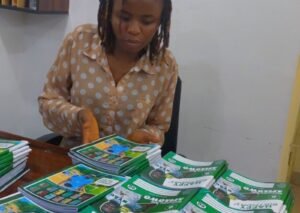
If you are unsure about GSM, don’t worry.
You can use this simple process.
Step 1: Identify What You Are Printing
Are you printing:
- Flyers?
- Business cards?
- Invitations?
- Brochures?
- Certificates?
- Posters?
- Menus?
- Letterheads?
- Booklets?
The type of project immediately narrows down your options.
Step 2: Think About How It Will Be Used
Ask yourself:
Will people hold it frequently?
If yes, you may want something more durable.
Does it need to be folded?
If yes, the paper needs to be suitable for folding.
Is it a premium product?
If yes, you may want a heavier or specialty stock.
Will you distribute thousands of copies?
If yes, cost and weight become more important considerations.
Step 3: Consider Your Budget
A premium paper choice may increase your total printing cost.
Before selecting the paper, establish your budget.
Then ask your printer:
“What paper option gives me the best result within this budget?”
That question can be more useful than simply asking for the highest GSM.
Step 4: Consider the Finish
Do you want:
- Matte?
- Gloss?
- Textured?
- Laminated?
- Uncoated?
The finish can significantly change how the final product looks and feels.
Step 5: Ask for Professional Advice
If you aren’t sure, don’t guess.
Give your printer information about:
- What you’re printing
- Quantity
- Intended use
- Desired appearance
- Budget
A printer can then help you narrow down the appropriate options.
Common GSM Mistakes Customers Make
1. Assuming Higher GSM Is Always Better
It isn’t.
The correct paper depends on the application.
2. Choosing Paper Based Only on Price
The cheapest paper may not create the appearance or durability you need.
3. Ignoring the Finish
Two papers with similar GSM can look and feel very different depending on their finish.
4. Not Considering Folding
A heavy paper may not be the best choice for every folded product.
5. Choosing Paper Before Discussing the Project
Your printer may have a more suitable recommendation based on the actual application.
Why You Should Tell Your Printer What You Are Trying to Achieve
Instead of saying:
“I want 300 GSM.”
You can say:
“I need premium business cards that feel substantial but are still affordable.”
Or:
“I need flyers for a large promotional campaign, and I want something economical but professional.”
Or:
“I need wedding invitations that feel premium.”
This gives the printer more useful information.
The printer can then consider GSM, paper type, finish, printing method and finishing options together.
Need Help Choosing the Right Paper?
At LAskill Printing, the goal isn’t simply to print your design.
The right paper, printing method and finishing can make a major difference in the final result.
Whether you need:
- Flyers
- Business cards
- Brochures
- Invitations
- Posters
- Business stationery
- Promotional materials
- Custom printed products
you can discuss your project requirements before placing your order.
If you already have your design, you can also provide it when requesting a quotation.
Need Help Choosing the Right GSM for Your Project?
Contact LAskill Printing and tell us what you want to print, how many copies you need and how you want the finished product to feel.
Frequently Asked Questions About GSM in Printing
What does GSM mean in printing?
GSM means grams per square metre. It measures the weight of paper based on an area of one square metre.
Is higher GSM thicker?
Higher GSM generally indicates a heavier paper and often a thicker-feeling sheet, but GSM is not exactly the same as physical thickness.
Is 300 GSM good for business cards?
300 GSM can be suitable for business cards, depending on the specific paper stock, finish and desired result.
What GSM is good for flyers?
Flyers can be produced using a range of GSM options. Around 100–170+ GSM is a useful general starting range, but the best choice depends on quantity, budget, finish and intended use.
What GSM is good for invitations?
Invitations often use heavier paper, commonly around 180–350+ GSM, depending on the style, folding requirements and desired finish.
Is 250 GSM thick paper?
250 GSM is generally considered a relatively heavy paper compared with standard office paper and is commonly used for applications such as cards and premium promotional materials.
Does higher GSM cost more?
It can, because heavier or specialty paper may cost more. However, total printing cost depends on several factors beyond GSM.
What GSM should I choose?
Choose based on the purpose of your printed material, your desired appearance and feel, your quantity and your budget. If you’re unsure, ask your printer for a recommendation.
Final Thoughts
Understanding GSM makes it easier to make better printing decisions.
The most important thing to remember is that GSM measures paper weight, not quality.
A higher GSM isn’t automatically better.
The right choice depends on what you’re printing, how it will be used, the appearance you want, your finishing requirements and your budget.
Before placing your next printing order, don’t simply ask for “thick paper.”
Tell your printer what you’re printing and what you want the finished product to achieve.
That makes it easier to select the right combination of paper weight, paper type, finish and printing method.
If you’re planning a printing project and aren’t sure what paper to choose, contact LAskill Printing and let us help you determine the most suitable option for your project.