Reach Us: +2348105460778 or +2348121073763
DTF vs Screen Printing: Which Is Better for T-Shirts?

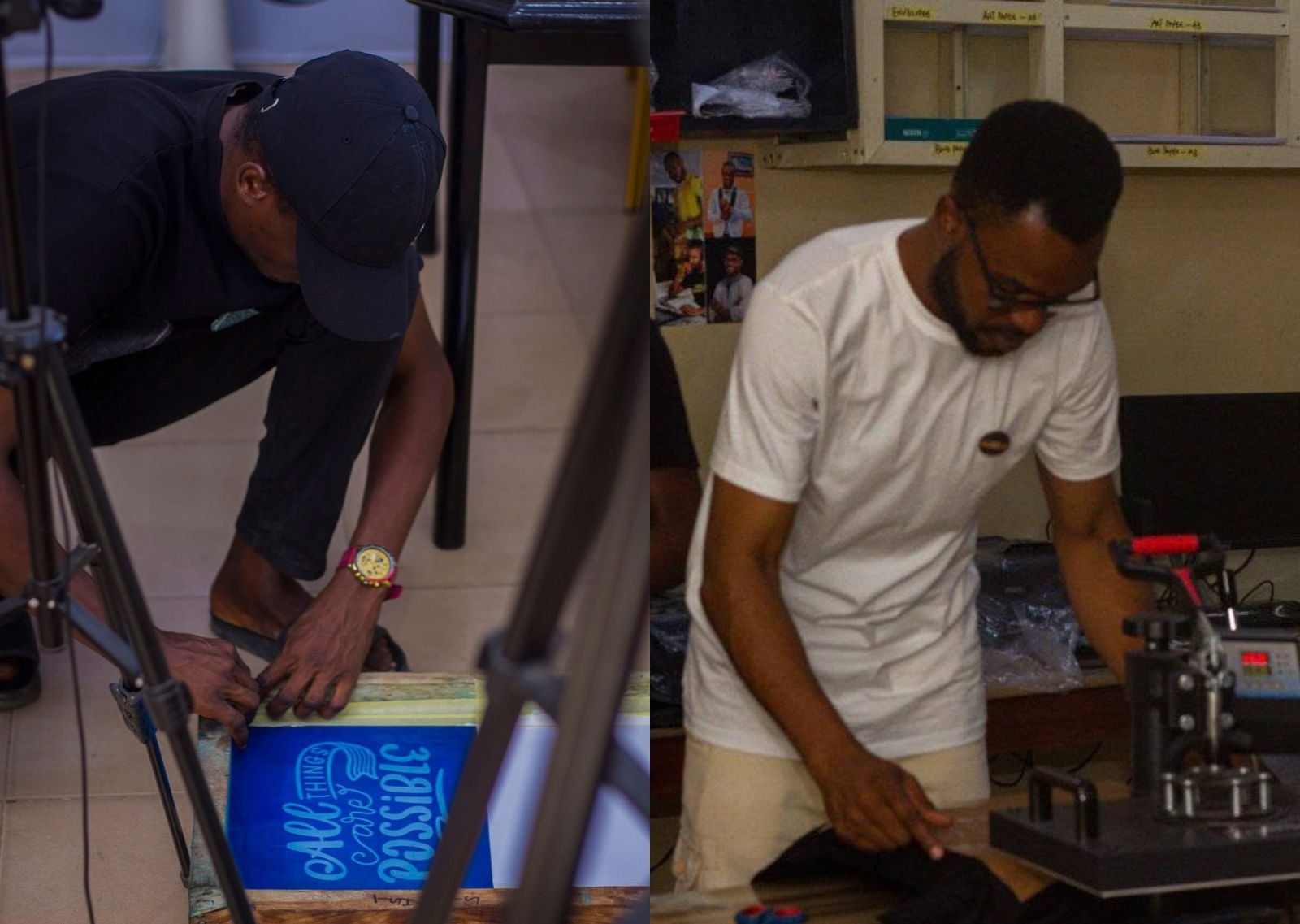
If you’re planning to print custom T-shirts, you’ve probably come across two popular options: DTF printing and screen printing.
But which one should you choose?
The answer depends on several factors, including the number of T-shirts you need, your design, the number of colors, your budget, the type of garment you’re printing on and how you plan to use the shirts.
DTF (Direct-to-Film) printing is particularly useful for detailed, colorful designs and customized orders, while screen printing is a traditional method that can be well suited to certain designs and larger production runs.
In this guide, we’ll explain the difference between DTF and screen printing, compare their advantages and limitations, and help you understand which option may be appropriate for your T-shirt project.
If you’re still unsure after reading, you can send your design and order details to LAskill Printing for a project-specific recommendation and quote.
What Is DTF Printing?
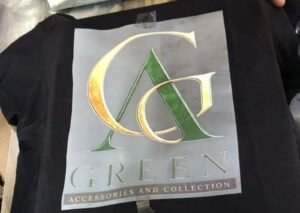
DTF stands for Direct-to-Film printing.
With DTF printing, a design is printed onto a special transfer film. The printed design is prepared with adhesive material and then transferred onto the T-shirt using heat and pressure.
One of the reasons DTF has become useful for custom T-shirt printing is its ability to reproduce detailed, colorful artwork without requiring a separate screen for every color in the design.
DTF can be useful for projects involving:
- Detailed graphics
- Logos
- Illustrations
- Photographic-style artwork
- Multiple colors
- Small quantities
- Personalized T-shirts
- Different designs within the same order
The quality of the finished result still depends on the artwork, materials, equipment and production process.
When might DTF be a good option?
DTF can be worth considering when you need a relatively small number of shirts or when your artwork contains several colors, gradients or intricate details.
For example, someone ordering a few customized birthday shirts may have different names or designs on individual shirts. DTF can be a practical option for this type of project.
What Is Screen Printing?
Screen printing is a traditional garment-printing method in which ink is transferred through a prepared screen onto the fabric.
A screen is prepared for the design, and ink is pushed through the appropriate areas of the screen onto the garment.
For designs containing multiple colors, the production process generally involves additional preparation for the different colors.
Screen printing is commonly associated with:
- T-shirt production
- Event shirts
- Group uniforms
- Promotional clothing
- Business shirts
- School or organization shirts
- Larger batches of similar designs
Screen printing can be particularly useful when many garments need to carry the same design and the artwork is suitable for the process.
DTF vs Screen Printing: What’s the Difference?
The two methods can both produce quality custom T-shirts, but they work differently and are suited to different types of projects.
Here’s a simple comparison:
| Factor | DTF Printing | Screen Printing |
|---|---|---|
| Small orders | Often suitable | May involve more setup |
| Large orders | Suitable | Often suitable |
| Detailed artwork | Well suited | Depends on the design |
| Many colors | Well suited | Additional color setup may be required |
| Photographic-style designs | Can be suitable | More complicated depending on artwork |
| Individual customization | Convenient | Less convenient for frequently changing designs |
| Setup requirements | Transfer-based preparation | Screen preparation |
| Repeated identical designs | Suitable | Often well suited |
| Multiple different designs | Can be practical | Can require additional preparation |
| Final result | Depends on materials and application | Depends on ink, garment and production quality |
This table is a general guide. The appropriate method for a particular project depends on the actual artwork, garment and production requirements.
Which Is Cheaper: DTF or Screen Printing?
This is one of the most common questions customers ask.
Unfortunately, there isn’t one price that applies to every DTF or screen-printing project.
The total cost can depend on:
1. Number of T-shirts
The number of shirts you’re ordering can significantly affect the economics of a printing project.
A small order and a large bulk order may have very different pricing structures.
2. Design complexity
A simple logo may require a different production approach from a detailed illustration or full-color artwork.
3. Number of print locations
Printing a design on the front only is different from printing on:
- Front
- Back
- Sleeves
- Chest
- Other areas
More print locations can affect the total cost.
4. Print size
A small chest logo and a large front design don’t necessarily require the same amount of production resources.
5. T-shirt quality
The type and quality of the blank garment also contribute to the final price.
6. Production requirements
The printing method, preparation, quantity and deadline can all affect the quote.
This is why it’s better to request a quote based on your actual project rather than relying on a generic online price.
For current LAskill Printing pricing, contact us with your design, quantity and requirements.
DTF vs Screen Printing for Small Orders
If you only need a few T-shirts, the printing method becomes particularly important.
Imagine you need:
- 1 birthday T-shirt
- 5 family shirts
- 10 shirts for a small team
- A few branded shirts for staff
- Different names on individual shirts
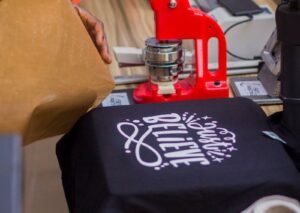
A transfer-based method such as DTF can be convenient for this type of customization.
One advantage is that the design can be prepared digitally without the same type of screen setup associated with traditional screen printing.
However, that doesn’t mean DTF is automatically the best choice for every small order.
The actual design and garment should still be considered.
DTF vs Screen Printing for Large Orders
For larger quantities, screen printing can become an attractive option when you’re producing many shirts with the same or similar artwork.
Consider an organization ordering shirts for:
- A conference
- School activities
- Church programs
- Corporate events
- Team activities
- Promotional campaigns
- Large celebrations
When the same design is being reproduced across many garments, the setup involved in screen printing can make sense for the project.
However, DTF can also be used for bulk orders, so quantity alone shouldn’t be the only factor used to select a printing method.
Your design, number of colors, print locations, deadline and desired finish should all be considered.
Which Is Better for Detailed or Colorful Designs?
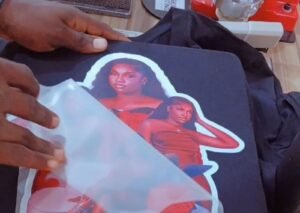
This is an area where DTF can be particularly useful.
If your design contains:
- Many colors
- Fine details
- Gradients
- Illustrations
- Complex graphics
- Photographic elements
DTF may be worth considering.
Screen printing can also produce excellent results, but designs with many colors may require additional production preparation.
For a simple design with a limited number of colors, screen printing may be a practical option depending on the order.
Example
Imagine you have a simple business logo consisting of one or two colors.
That’s a very different printing project from a T-shirt containing a detailed illustration with several colors and gradients.
The artwork should therefore be evaluated before choosing the printing method.
Which Printing Method Is More Durable?
You’ll often hear people say that one printing method is automatically more durable than the other.
It’s more complicated than that.
The durability of a printed T-shirt can depend on several factors, including:
- Quality of the garment
- Quality of the printing materials
- Production technique
- Application or curing
- Print placement
- Washing method
- Drying method
- General garment care
A high-quality printing process on a suitable garment can produce a good result, while poor production or improper garment care can affect the lifespan of the print.
That’s why choosing a printing provider based only on the name of the printing method isn’t enough.
The quality of the entire production process matters.
DTF vs Screen Printing for Different T-Shirt Projects
The best choice can change depending on what you’re trying to accomplish.
Business Uniforms
For branded staff shirts, consider:
- Number of employees
- Logo complexity
- Number of print locations
- Shirt quality
- Frequency of reordering
If you’re ordering a large number of shirts with the same simple logo, screen printing may be worth considering.
For smaller or more customized orders, DTF may be convenient.
Event T-Shirts
Events can require anything from a handful of shirts to hundreds.
Examples include:
- Birthdays
- Weddings
- Conferences
- Seminars
- School events
- Church programs
- Corporate events
- Team activities
The number of shirts and the design requirements should guide the printing decision.
Birthday and Personalized T-Shirts
Personalized shirts often contain different names, ages, photographs or individual designs.
For this type of project, DTF can be useful because digital artwork can accommodate detailed and customized designs.
School, Church and Group T-Shirts
These projects may involve larger quantities with the same artwork.
For example:
100 shirts with the same organization logo and event information.
In a situation like this, screen printing may be considered depending on the artwork and production requirements.
DTF can also be used when the project calls for it.
Fashion and Branded T-Shirts
For a fashion brand, the decision may depend on:
- Artwork
- Garment quality
- Print placement
- Design complexity
- Expected production quantity
- Desired appearance
- Reorder requirements
It’s worth testing the actual design and garment combination before committing to a large production run.
DTF vs Screen Printing: Which Should You Choose?
Rather than asking which method is universally better, ask:
Which method is better for my particular project?
Consider DTF when:
- You need a small or medium quantity
- Your design contains many colors
- Your artwork is detailed
- You need personalized designs
- You need different designs on individual shirts
- You want a digitally reproduced design
Consider screen printing when:
- You’re producing a larger batch
- Many shirts have the same design
- Your design works well with the screen-printing process
- The production setup makes sense for your quantity
- You want a suitable solution for a repeated design
These are guidelines rather than strict rules. A professional printer should look at your actual design and requirements before recommending the production approach.
How to Get the Right T-Shirt Printing Quote
Want an accurate price for your T-shirt project?
Instead of simply asking:
“How much is T-shirt printing?”
Give the printer enough information to calculate the job properly.
Provide:
1. Quantity
Tell the printer how many shirts you need.
For example:
10, 25, 50, 100 or 200 shirts.
2. T-shirt color
Tell them whether you want:
- White
- Black
- Red
- Blue
- Green
- Purple
- Or another color
3. Sizes
Provide the sizes you need, such as:
- S
- M
- L
- XL
- XXL
4. Your design
Send the actual artwork whenever possible.
This makes it easier for the printer to assess the project.
5. Print locations
Tell the printer whether you want the design on:
- Front
- Back
- Sleeve
- Chest
- Multiple locations
6. Deadline
Tell the printer when you need the shirts.
This is particularly important for event orders.
7. Delivery requirements
If you need delivery, mention your location when requesting the quote.
DTF vs Screen Printing: Frequently Asked Questions
Is DTF better than screen printing?
Neither method is automatically better for every project.
DTF can be useful for detailed, colorful and customized designs, while screen printing can be suitable for certain designs and larger quantities of repeated artwork.
The best choice depends on your specific requirements.
Is DTF cheaper than screen printing?
Not necessarily.
The final cost depends on factors such as quantity, design, print size, number of colors, number of print locations, garment type and production requirements.
Which lasts longer, DTF or screen printing?
Durability depends on more than the printing method. Garment quality, production quality, materials, application, washing and care can all affect how long a print lasts.
Can DTF print many colors?
Yes. DTF is capable of reproducing detailed, multi-color artwork, making it useful for many colorful designs.
Is screen printing good for bulk T-shirt orders?
Screen printing can be suitable for bulk orders, particularly when many garments carry the same design. However, the artwork and project requirements should still be evaluated.
Can DTF print photographs?
DTF can be suitable for detailed artwork and photographic-style designs, depending on the artwork and production requirements.
Can I print just one T-shirt?
Yes, custom T-shirt projects can be produced in small quantities. The appropriate printing method will depend on the design and requirements.
Which method should I use for my design?
If you’re unsure, send your design to LAskill Printing along with the number of shirts you need. We can assess the project requirements and provide guidance and a current quote.
Need Custom T-Shirt Printing?
Choosing between DTF and screen printing doesn’t have to be complicated.
The right choice depends on your design, quantity, garment, budget, print locations and intended use.
Whether you’re printing shirts for a birthday, business, event, organization, school, church, team or personal project, start by explaining what you need.
LAskill Printing can help you determine the appropriate printing approach for your project and provide a current quote based on your requirements.
Ready to get started?
Request a Quote
Upload Your Design
Contact LAskill Printing
Related Articles
You may also want to read:
- How Much Does T-Shirt Printing Cost in Nigeria?
- How to Prepare Your Design for Printing
- How Many T-Shirts Should You Order for a Custom T-Shirt Project?
- What Is GSM in Printing? A Simple Guide to Paper Thickness